I. Defining Core Needs: Starting from Application Scenarios
(1) Selection Based on Biological System Characteristics
Based on Cell Type: Mammalian cells are sensitive to shear forces, requiring airlift or wave reactors to reduce mechanical damage; filamentous microorganisms (such as molds) require fixed-bed reactors with low stirring intensity.
Based on Reaction Type: Anaerobic fermentation requires sealed tanks and gas recovery systems; aerobic culture (such as antibody production) requires efficient dissolved oxygen transfer designs, such as stirred tanks paired with microporous aerators.
(2) Selection Based on Scale and Production Capacity
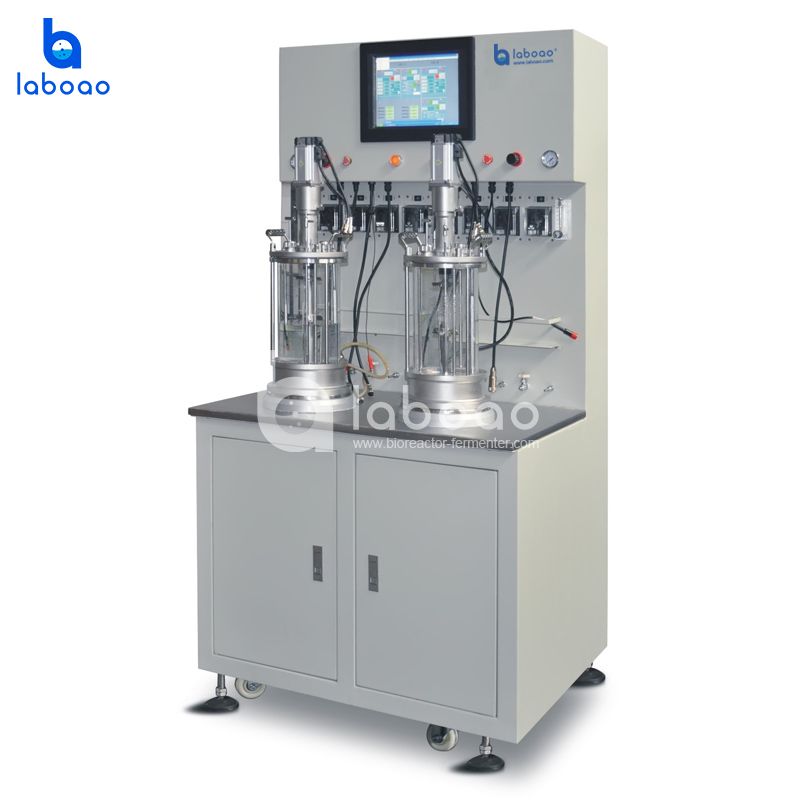
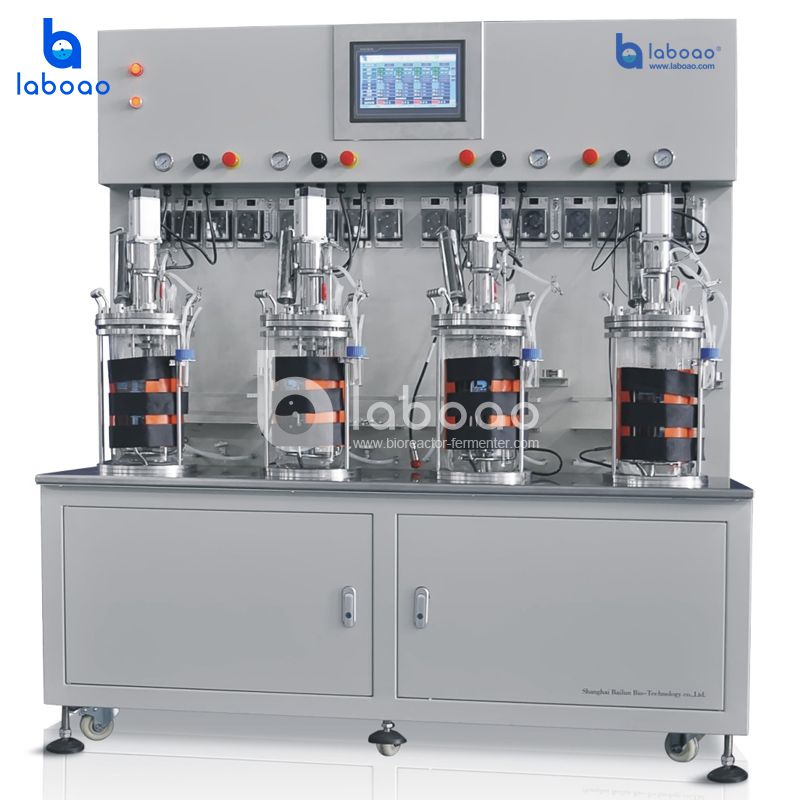
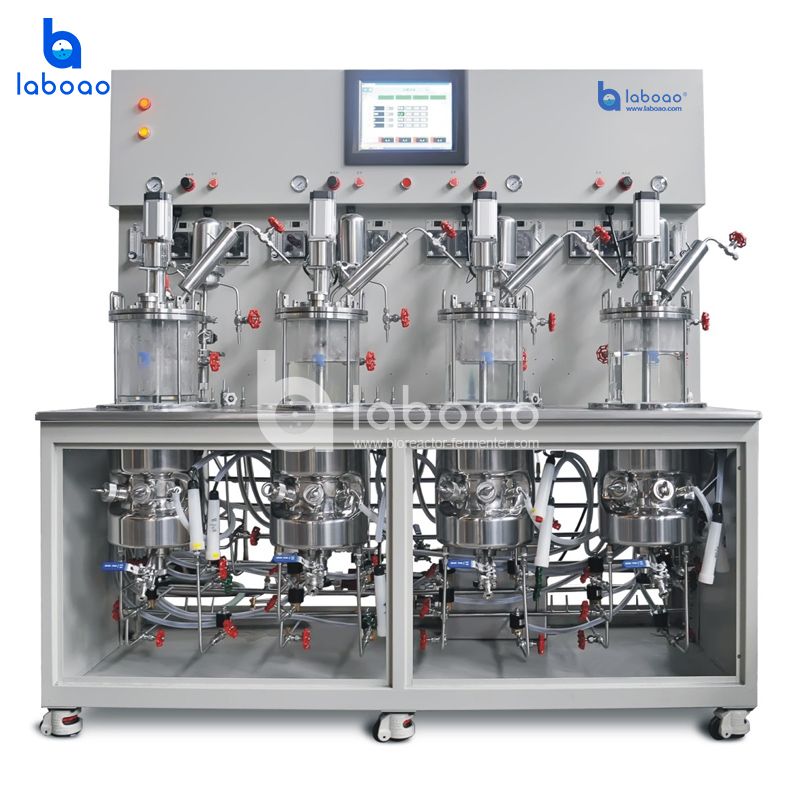
For laboratory stages, 2-50L glass or small disposable reactors are suitable for process development, supporting flexible parameter adjustments.
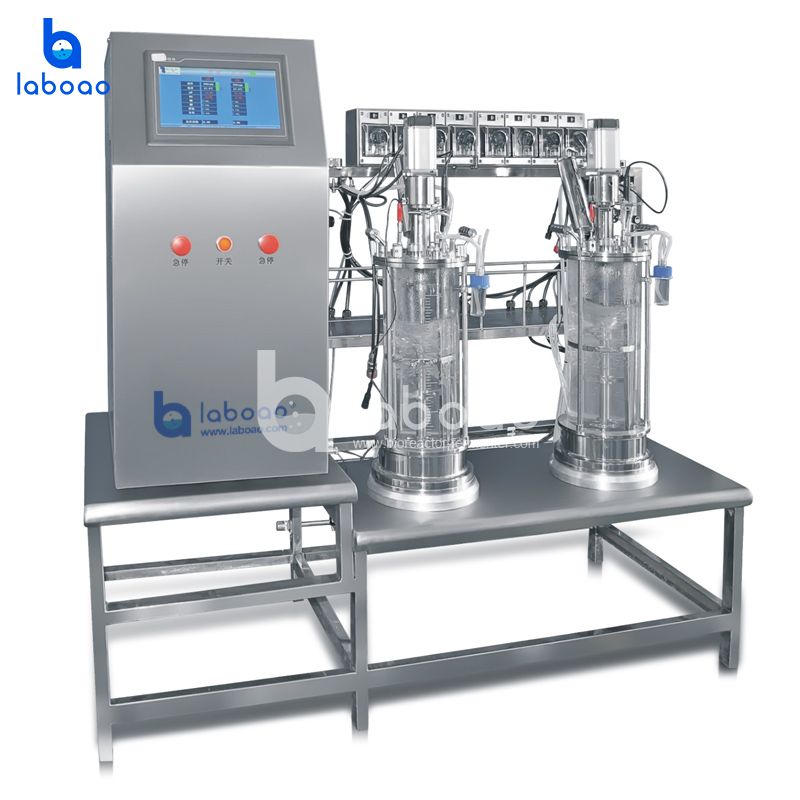
For industrial production, stainless steel reactors (304/316L material) are suitable for stable mass production (such as vaccine production).
(3) Selection Based on Culture Method
For suspension culture, stirred tanks or wave reactors are suitable for suspension cells (such as hybridomas), offering high mixing efficiency and easy scale-up.
For adherent culture, fixed-bed reactors provide a high surface area through a mesh carrier, supporting high-density adherent cell growth.
II. Selection Based on Key Technical Parameters
(1) Considerations for Shear Force Control
Select a suitable impeller. For animal cell culture, inclined impellers or magnetic stirring are preferred to avoid high shear damage from turbine impellers; turbine impellers can be used to improve dissolved oxygen transfer in microbial fermentation.
Consider fluid dynamics optimization. Eliminate eddies by using baffles, or use a biaxial rocking reactor (such as XRS 20) to improve mixing uniformity and reduce cell aggregation.
(2) Considerations for Mass and Heat Transfer Efficiency
Consider precise dissolved oxygen (DO) control. E. coli fermentation requires maintaining 30%-50% dissolved oxygen saturation, which can be improved through membrane aeration or oxygen-enriched ventilation; enzyme-catalyzed reactions require avoiding excessive aeration that could lead to protein denaturation.
Consider precise temperature and pH control. A jacketed heat exchange system (±0.5℃ accuracy) combined with automatic acid-base replenishment can meet the pH requirement of mammalian cells at 7.0-7.4.
(3) Considerations for Automation and Monitoring Systems
Consider sensor integration: real-time feedback from pH, DO, and temperature probes, combined with a SCADA system to achieve closed-loop parameter control; wireless sensors can be used in disposable reactors to simplify the verification process.
Consider data traceability: compliance with electronic recording systems ensures production batch traceability and meets GMP compliance requirements.
III. Type and Material Selection
(1) Comparison of Mainstream Reactor Types
Type | Advantages | Limitations | Typical applications |
Stainless steel mixing tank | High pressure resistance, long-term reuse, suitable for large-scale applications | High initial investment and complex clean validation | Mass production of antibiotics and vaccines |
Disposable reactor | Rapid deployment, low pollution risk | High cost of consumables and limited pressure resistance | Biologics CDMO, Clinical Sample Production |
Airlift | Low shear, high mass transfer | Mixing efficiency depends on gas flow rate | Plant cell culture, microbial fermentation |
Fixed bed | High cell density, supports adherent culture | Mass transfer is limited and cleaning is difficult | Production of viral vectors and cell therapy products |
(2) Material and Compliance
Stainless Steel: 316L stainless steel must be ASME BPE certified and is suitable for long-term continuous production; the seals are made of PTFE to prevent chemical corrosion.